
Please keep an eye on your inbox for the evaluation form! Complete the evaluation to receive your Certificate of Attendance.
This program has concluded.
Reimagine Heart Failure Devices at This All-New Experience the Day Before THT®
A Hands-On, Case-Based Course Covering Temporary and Durable MCS Devices and Hemodynamic Monitoring in Managing Cardiogenic Shock
Sunday, March 1, 2026
8:00 AM–5:00 PM
Omni Boston at the Seaport
Limited number of spots available!
Reserve your place today!
Attend as a standalone event with a free one-day badge, or as a free add-on to your THT 2026 registration. Fellows: Your THT registration is also free!
Master the Fundamentals. Hone Your Patient Management Skills.
Sponsored by the Cardiovascular Research Foundation®.
How To Register
Seats are limited and are expected to fill quickly! Open to physicians, fellows, and allied health professionals.
Two registration options:
- Register for a free one-day badge to attend Hands-On Training Day as a standalone event.
- Register for THT 2026 and also register for Hands-On Training Day as a free add-on.
Fellows: Your THT 2026 registration is also free.
Make Life-Saving Decisions at Every Stage
When medication isn’t enough to manage advanced heart failure or cardiogenic shock, mechanical circulatory support becomes a critical lifeline. At the Hands-On Training Day, you will explore core principles of hemodynamic support, analyze real-world case scenarios with expert insight, apply advanced techniques through hands-on training, and enhance your impact on patient outcomes.
Don’t wait! Understand the full spectrum of temporary and durable devices and strategies. Gain hands-on experience with controllers — and master when and how to deploy them — and troubleshooting to achieve optimal clinical outcomes.
What To Expect
- Expert-led didactics
- Fundamentals of hemodynamic support
- Latest MCS indications, devices, and deployment strategies
- Real-world case reviews
- Full range of MCS scenarios
- Emphasis on shock, pulmonary compromise, and device troubleshooting
- Thematic stations focusing on temporary and durable MCS and hemodynamic monitoring
- Expert-led demonstrations
- New devices from leading medical-device solutions providers
Rotate Through Nine Fully Interactive Stations
of Life-Saving Devices
Learn and refresh your skills tackling a range of case-based challenges
with heart-failure devices such as:
- Transvalvular microaxial flow pumps
- Intra-aortic balloon pumps
- ECMO systems
- Durable left ventricular assist devices
- Total artificial hearts
- Implanted pulmonary artery pressure sensors
Meet the MCS and Hemodynamic Pioneers
Leading the Program
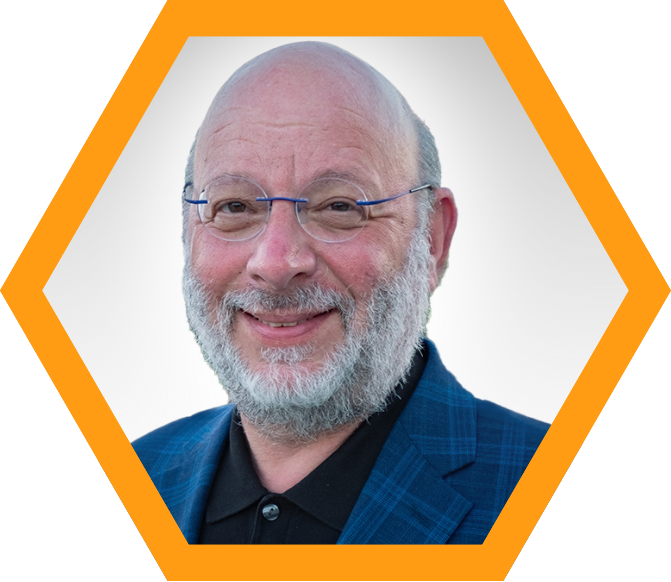
Daniel Burkhoff, MD, PhD
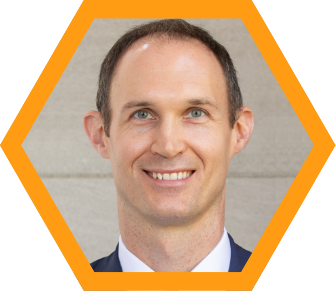
Will Grandin, MD, MPH
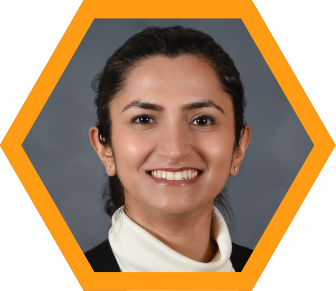
Rachna Kataria, MD
This program is led by world-renowned faculty dedicated to innovation, education, and improving outcomes in advanced heart failure and mechanical circulatory support.
Faculty subject to change